“I Don’t Want to Be Lonely”: A Frigate Bird Sings, Thirty Years On
6 April 2026
Iaheto Ah Hi
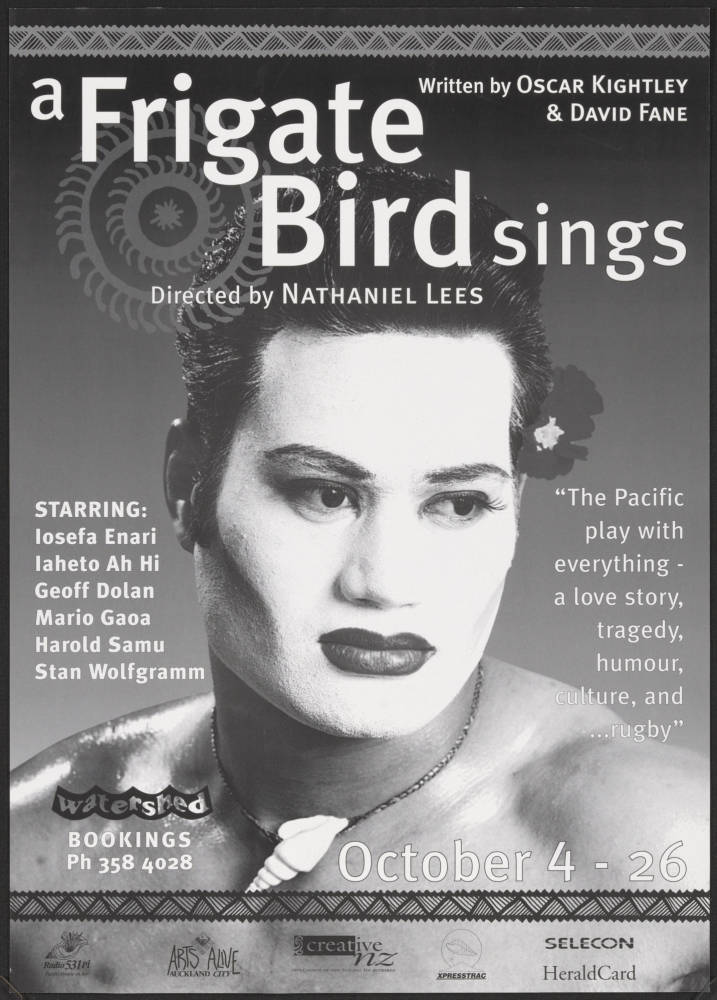
Thirty years ago, in 1996, I played Vili Atafa, a fa’afafine character in Oscar Kightley and David Fane’s A Frigate Bird Sings, directed by Nathaniel Lees and produced by Makerita Urale. It premiered at the New Zealand International Arts Festival in Wellington, with an Auckland season at the Watershed later that year.
That’s not me in the poster. I forgot who the model was, but someone out there will remember.
To this day, Vili remains the most demanding role I have ever taken on. Young and hungry for the art form, I threw everything I had at the role. Training. Getting waxed and breaking out in a rash from an allergic reaction to the zips on my tight vinyl pants. And in that tight fitting outfit I felt like Michelle Pfeiffer’s Catwoman when the whole thing was zipped up. Amazing costume design. All of it in service of the director’s vision and the writing, which deserved nothing less than everything.
Nathaniel’s vision began at the end. A broken mirror. Every shard a fractured memory belonging to the Atafa family. Atafa, the Samoan name of the frigate bird. Through those collective fragments we entered the story.
Michael Tuffery’s incredible set planted rocks in sand, performed in the round, creating a mythic Polynesian visual epic. Ivan Morandi’s lighting design was born from being so moved by the work that he produced a lighting state in collaboration with Tuffery’s design. Shadow and light amongst the rocks, standing like moai from Rapanui, eternal as time itself amongst the fractured memories of the Atafa family.
I can still see it. I can still feel and smell the space.
Nathaniel said I needed to be constantly on the floor. So amongst the upright rocks, the audience entered to find someone already on stage in dim light. Almost butoh-like, I was to rise like a spirit. In and out through temporal, portal-like scenes, the play took the audience through Vili’s mind, revisiting key moments that culminated in my discovery of the very last words of the play. Words that still hit deeply, and have taken on layered meanings, three decades later.
“I don’t want to be lonely.”
In the dress rehearsal, or maybe it was opening night, I screamed that last word. LONELEEEEEEEE. It still takes me, even now. I gave my whole being to the character.
But I was not able to disconnect. To derole from Vili. The emotional truths I had harvested to drive his tragic life were mine. It took me years to learn how to snap back to myself when playing demanding roles. I learnt, unspokenly, that this was a rite of passage for actors: learning how to find yourself again after a role. The mourning of a character after a production is a very real experience, especially when you were totally committed.
Which brings me to the Actors Method I developed. I think back to that time and I wanted to share my understanding of the craft, to help young actors, especially Pasifika ones, to create characters within a visual spatial construct in the mind. A container the character lives in that an actor can enter, rehearse, discover, and perform from. Then exit that construct and return to oneself through the intentional, physical washing of hands, arms, and face. The vaka of one’s creative self heads back to the fenua and the grounded reality of self.
I lost myself for a few years through how I approached the work and certain characters I played. Not holding onto the what-could-haves and should-haves, I have come through it all with the wisdom needed to create this workshop for actors. To help them explore deep character work safely.
Wonderful people I was privileged to work with and whose creative mana remains seared into my mind:
Writers: Oscar Kightley and David Fane
Director: Nathaniel Lees
Producers: Makerita Urale (Wellington), Cath Cardiff (Auckland)
Set Design: Michael Tuffery
Costume Design: Kate Peters
Lighting Design: Ivan Morandi
Cast: Stan Wolfgramm, Geoffrey Dolan, Mario Gaoa, Ole Maiava (Wellington), Harold Samu (Auckland), and the incomparable Iosefa Enari. Rest in love and peace.
Love and light, Heto x
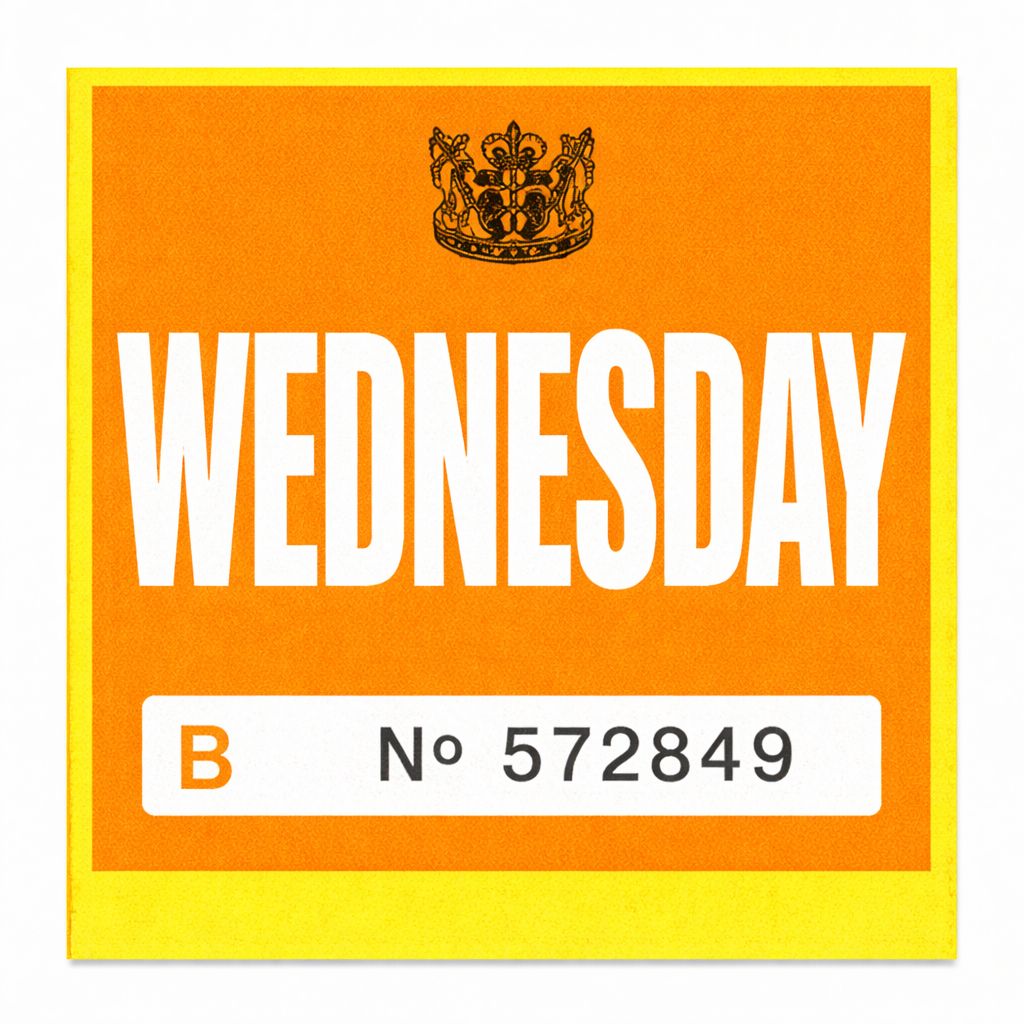
The Wednesday Sticker – NZ Carless Day
19 March 2026
Iaheto Ah Hi
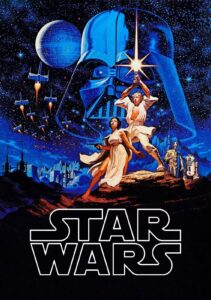
I remember the late 70s. Star Wars,
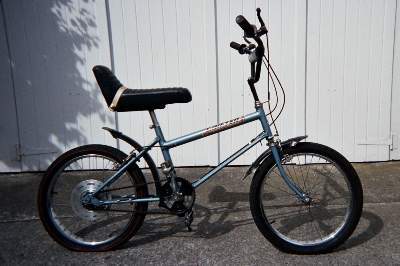
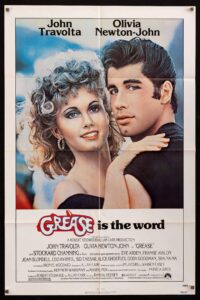
Grease, my Grifter bicycle, and an orange sticker.
Our Cortina had a Wednesday sticker on the windscreen. We weren’t allowed to drive the car on Wednesday. Not that I could drive a car at nine years old.
That was when I thought petrol was running out all over the world. 1999 was when petrol would run out. No idea why I thought that. Maybe it was the impending ice age.
Well no ice age.
What I understood at nine was the sticker on the windscreen. The oil shock behind it was invisible to me.
New Zealand’s carless day scheme ran from 30 July 1979 to May 1980. Each vehicle was assigned a day of the week based on the last digit of its number plate. Wednesday was one of those days. You put the sticker on your windscreen. You didn’t drive on your day. Simple.
It was a response to the 1979 oil shock. The Iranian Revolution had disrupted global supply. The world was rattled, OPEC was flexing, petrol prices were climbing, and Robert Muldoon needed to be seen doing something. And so, New Zealand got carless days. Stickers on windscreens. A whole country inconvenienced on a rotating schedule.
The problem was, it didn’t work. Studies at the time found no measurable reduction in national fuel consumption. People didn’t drive less. They drove the same amount, just squeezed it into six days instead of seven. Some drove more on other days to compensate. The sticker was visible. The saving wasn’t.
We did what we were told. We put the sticker on. The Cortina stayed in the driveway on Wednesdays. My parents were doing what you do when a government tells you things are serious and asks you to sacrifice something small for the collective good. You do it.
But the government was doing something else. The government was managing perception. It was showing us, and showing itself, that it had a handle on a situation it fundamentally did not control. The oil was in the Middle East. The decisions were being made in Tehran and Riyadh and Washington. Muldoon could not reach any of that. What he could reach was our windscreens.
That’s how power works in a crisis it can’t fix. It finds the thing it can control, makes it visible, and calls it a response.
Fast forward forty-seven years and here we are again.
The US and Israel launched strikes on Iran on 28 February 2026. Iran closed the Strait of Hormuz. About 20 percent of the world’s oil shipments travel through that channel. Most of New Zealand’s fuel comes from refineries in South Korea and Singapore, which import unrefined crude through that exact route. Within days, petrol was up 50 cents a litre. Diesel was up 72 cents. Some stations ran dry.
Finance Minister Nicola Willis went on Q+A and told New Zealand we had about 50 days of fuel supply. She set up a Ministerial Oversight Group. She asked the Commerce Commission to watch petrol companies for price gouging. She said she had a “very close” relationship with Singapore and that Singapore would prioritise fuel for us in a crisis because we prioritise food for them. She said the government was monitoring shipments. She said she was confident the ships already on their way would arrive.
All of that is probably true. Some of it might even help.
But the decisions are still being made in the Middle East. And in Washington. And in boardrooms in South Korea and Singapore. Willis cannot reach any of that. What she can reach is the press conference podium and the Commerce Commission letterhead.
I’m not saying she’s doing nothing. I’m saying she’s doing what governments do. Managing what’s manageable. Making it visible.
And so I find myself wondering: will someone in the Beehive suggest bringing back carless days? It would be a very New Zealand thing to do. Bold enough to photograph. Specific enough to explain. Completely impossible to measure.
I’d choose Wednesday again. Fond memories of the Cortina.
The thing about the 1979 sticker, though, is that it told us something true even while it wasn’t working. It told us we were dependent. That dependence was the real story in 1979 and it’s the real story now. New Zealand generates more than 85 percent of its electricity from renewable sources. But transport runs on imported oil, all of it, every drop. That hasn’t changed in forty-seven years. Not because no one knew. Because the structural work of changing it is slow and expensive and doesn’t fit on a sticker.
The sticker fits on a sticker. I should put that last sentence on a sticker and sell it.
My parents weren’t political analysts. They were people who did what was asked. What they gave us, sitting in that Cortina on a Wednesday, was something the policy never delivered: the understanding that we are part of something larger than ourselves, and that sometimes the small thing you do is about solidarity rather than solution.
Maybe that’s what the Wednesday sticker was always for.
I still don’t know what year petrol is running out. But I know we’ve been here before. And I know what it looks like when a government gives you a sticker instead of a plan.
But I can’t help but think about what was really important to a nine year old me. Light sabres and the Force. My cousin losing her jandal clambering backward over her seat and getting her foot stuck at the end of Grease. Riding my Grifter to second hand book stores to check for any Marvel or DC comics, especially X-Men.
Funny what you remember from when you were a kid and how cyclic time really is.
Digital Sovereignty and the Assembled Self
13 March 2026
13 March 2026
Digital Sovereignty and the Assembled Self
Iaheto Ah Hi
This is something that has been on my mind lately. Part of it was posted earlier on Waitangi Day when I shared my thoughts around Indigenous Digital Sovereignty and what that looked like for Pasifika peoples.
Now, I’m sharing my thoughts about children’s digital rights.
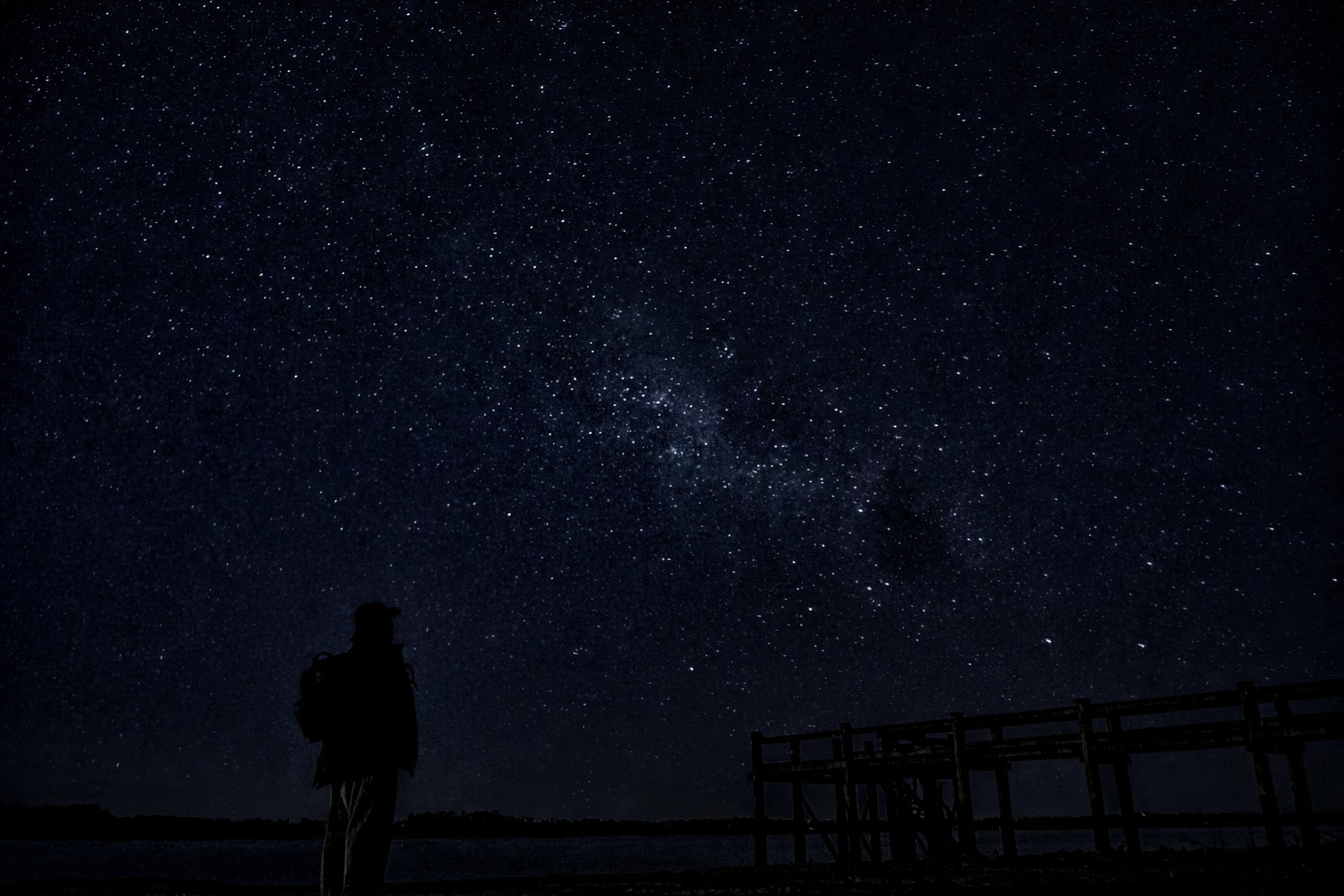
Imagine a big billboard that featured your socials updates at a shopping mall like Sylvia Park during Xmas shopping or even a transit hub at peak hour. Your posts all dependant on privacy settings will update on this billboard when you post. So a custom list of friends, friends, friends of friends, or public settings for who the billboard will be seen by. Every post or video shared of your child is in this public space.
Is there a difference between the digital self and the ‘real’ self? Would you think differently about posting your childrens photos onto a live feed that was seen by people shopping at a mall during peak hour times?
I wouldn’t be surprised if, in the next few years, the kids that were part of the content mining of their family and their own young lives start creating content about how they had to survive it. Trying to recapture their digital selves that they didn’t have a say in, because their parents thought it was harmless, even wholesome, and that being an influencer family was a passport to their kids’ futures. Not thinking of those futures because of the likes now.
That prediction sits on years of quiet observation.
• • •
The Spiral
It started years ago, when I was going through depression. I’ve mentioned it before in another post and here I am oversharing again. Because it’s the first sentence that opens this particular spiral, it gives it a time and place. A pou in time.
There was a young creative mother sharing her newborn child’s progression online. An Instagram friend. I didn’t personally know this young woman, but seeing her child grow over a few months was a light I gravitated towards. This young life, full of potential and a gentle spirit that came through in the photos. Mother and child going through the day before husband and father came home from work. Resonated with me.
I met the young creative a bit later on, when I was starting to come out the other side, trying to be active, social. I mentioned her child and named him the nickname she used for the insta posts. I didn’t understand the look in her eyes at the time, but she stopped sharing her child online after that.
Over time, that moment metastasised into the thinking I have now. I believe she reacted to what her sharing actually looked like from the outside. I didn’t ask her. All interaction ended when I once again deleted all social media. But that mum and baby have stayed with me. I couldn’t articulate it then, but I knew deep down it wasn’t about me being a weirdo dude oohing and ahhing over her kid. My intentions were simply about the human condition reaching through the digital waves and helping a troubled soul.
Then my granddaughter was born. My moko is nearly three now, and she watches YouTube Kids for short periods. That’s where I saw it. Families making shows for young children, filmed and performed by the whole family, educational content built around a young mind’s fearful and favourite things. Dr visits portrayed in ways to help with a drs visit. Ice cream. The making of, the tasting of, the search for… ice cream. Bright visual media and sound capturing young attention, parents and their children performing their lives as content for other people’s children.
Then late last year, an ad came across my YouTube feed. An Irish Data Protection campaign called “Pause Before You Post.” A little girl walking through a shopping centre with her parents, and strangers start greeting her by name. Wishing her happy birthday. Knowing her football schedule. Even calling out her dad for being late to pick her up. All from what her parents had shared online. The French Children’s Foundation found that half of children’s photos and videos appearing on paedophile forums were initially published online by their own parents.
Everything I’d felt watching that young mum react, everything sharpened by watching my moko grow up in this world, confirmed in sixty seconds.
Over the years, between deleted accounts and reactivated ones, I’ve noticed something across the board. Parents that posted a lot about their kids when they were young suddenly didn’t share as much when they were tweens. “Oh, that’s strange, no family updates. Maybe the person has just changed… oh, the youngest is now featuring… hmmm… what about the older siblings… ohhhhh. They’re now teenagers.”
And it reveals something about the people that helped propel young influencer families into big money content creation. All that love and affirmation from total strangers towards them and their family, towards the child. On TV and in movies, kids are paid actors, their parents consenting to the work. Online family content creation is something else entirely. New formats, no protections.
I’ve been in and out of socials for years, usually to promote a show and then disengage. In the past I deleted everything. This time is different. I came back on January 28, my birthday, and the clarity I brought with me has kept me engaged in a way I haven’t been before. Pieces that had been circling for years started to align, all pointing to the same question.
What is the digital sovereignty of a person?
• • •
The Self Already Harvested
We already live in the digital world. Banking apps, digital wallets, PayWave taps, boarding passes, loyalty cards, health trackers, streaming platforms. Google, Apple, and Microsoft logins connecting accounts across dozens of services with a single tap. The convenience is real. The data has been flowing for years, and most of us made peace with it long ago, or never thought about it at all.
A person’s totality digitised. Public, hackable, vulnerable, transparent to online spaces connected to real life places. Medical notes, education, government ID, online banking. Think back only 10 years. The way we consume entertainment has changed dramatically. Books have moved from traditional delivery to self-publishing platforms, direct from you to the reader. And AI scraping of vast amounts of creative works means human thought over thousands of years is held in LLM data, swirling in their weighting for the next probable hit.
The fact is we ourselves have been harvested. Our deepest selves, our family selves, our hidden selves, our public selves, all harvested before, during, and will be into the future. A person’s creative work, their identity and labour of intellectual and personal effort, stolen. We sign away our rights until someone points out the finer details, but that doesn’t stop hackers from stealing our digital selves from those platforms. Swirling in the darker parts of the deep is an avatar of ourselves, with personal details alongside pirated books. Now those pirated and personal digital avatars have been collected, shared freely with AI.
Like digital cloned versions of ourselves, kept in massive data storage warehouses in foreign countries.
The question of digital sovereignty arrives after the timber has been felled. The vaka we are preparing to navigate was built, in part, from trees that include our own.
• • •
The Children’s Digital Selves as Assembled Prose
Children born into the social media age.
A generation whose digital selves were composed before their conscious selves had any voice in the composition. Parents sharing family content online, shaped by platform algorithms that reward engagement, that amplify what performs, that reach for the weighted centre of what other parents were sharing. The child’s digital identity assembled through the same probability logic that assembles AI prose: moment by moment, weighted by what the system rewards, with no through-line held by anyone accountable to the person being represented.
In acting, we call the thread that holds a character’s journey together the through-line. It’s what connects every moment into a whole rather than a sequence of bits. Those children’s digital selves are assembled prose.
Their digital identities were assembled by the same mechanism. Token by token. Engagement-weighted. Optimised for what performs. Their parents made probability-weighted decisions about what to share, shaped by platform algorithms, responding to the same aggregate pressure that AI responds to. What performed well got repeated. What got likes got amplified. The child’s online presence was assembled through the logic of the feed, and the feed has no capacity to hold a through-line. It has no capacity to ask whether the identity it is constructing serves the person it represents, or only the system it feeds.
The tween disappearance pattern is the first visible symptom of parents recognising, often too late, what they have composed on behalf of their children. The stopping is instinctive. They feel it before they can name it. The child is becoming a person with their own sense of self, and the digital self the parents built is no longer theirs to maintain. But the assembled version already exists. It circulates. It has been scraped, stored, replicated. The parents can stop posting. They cannot recall what has already been consumed.
• • •
The Napster of the Mind
I liken this period to the music file-sharing era where Napster and LimeWire freed people from the constraints of music tied to money. A buffet of music and exploration of genres. A community of people sharing freely. That freedom was absorbed into new structures, streaming platforms that created new forms of extraction dressed as access.
AI is dissolving the containers for creative thought the way Napster dissolved the containers for music. The dissolution is both theft and liberation at the same time, and the tension between those two hasn’t been cleanly resolved.
I foresee a future where the transfer of ideas traditionally held in books will accelerate. A kind of hive mind of connective thinking. Instantaneous consumption of the most profound or mundane but humorous human creative output. The median and those in the deeper parts of the collective but crushing depths of human creative thought. Too dense for the majority to ever want to dive down to. Too dark, too cold, too crushing.
Digital books didn’t stop the sale of books. The choice of the consumer will grow, and how creatives handle that change will depend on who gets paid for what.
• • •
For the Children
For the children whose digital selves were composed before they had a voice, the crossing will be different again. They will arrive at adulthood carrying assembled identities that circulate without their consent, stored in systems they did not choose, visible to strangers who know their nicknames and their football schedules.
Their task will be to recover the through-line from the bits. To compose their own digital selves from the fragments. To find authorship over identities that were authored for them.
It will come, I suspect, from the children themselves.
Further Reading
The following resources support the observations in this article.
Children’s digital identity and sharenting
Office of the Privacy Commissioner (NZ), Children’s Privacy Project. https://www.privacy.org.nz/focus-areas/children-and-young-people-policy-project/
Netsafe, Sharenting guidance. https://netsafe.org.nz/parents-and-caregivers/sharenting
JMIR Pediatrics and Parenting (2024), scoping review on children’s digital identity creation. https://pediatrics.jmir.org/2024/1/e54414/
UN Committee on the Rights of the Child, General Comment No. 25 (2021). Guidance on children’s rights in the digital environment. https://www.ohchr.org/en/documents/general-comments-and-recommendations/general-comment-no-25-2021-childrens-rights-relation
Ireland Data Protection Commission, “Pause Before You Post” campaign (2025).
Digital sovereignty and data governance
CARE Principles for Indigenous Data Governance (2020). Collective benefit, authority to control, responsibility, ethics. https://datascience.codata.org/articles/dsj-2020-043
Local Contexts, Traditional Knowledge Labels. Community-specific protocols for access, use, and attribution. https://localcontexts.org/labels/traditional-knowledge-labels/
Te Hiku Media, Kaitiakitanga approach and licensing. https://papareo.nz/
AI and cultural bias
PNAS Nexus (2024), cultural-bias measurement using the World Values Survey. https://academic.oup.com/pnasnexus/article/3/9/pgae346/7756548
“Invisible Languages” in the LLM ecosystem. https://arxiv.org/html/2510.11557v1
• • •
Iaheto Ah Hi is a Tokelauan and Samoan actor, playwright, thinker, and based in South Auckland, Aotearoa New Zealand. He is the author of Kinetic Tautai: Book One of Wayfinders of the Digital Moana (Punalei Press, 2026) ko-fi.com/kinetictautai