Musings, announcements, photos from the work, and posts from across my social feeds gathered in one place. Tokelauan and Samoan. Actor, writer, practitioner. Based in Tāmaki Makaurau.
Pull up a chair. Sit down on a fala. Levitate, and meditate. Breakdance and trance.
The Tortured Actor Cliché
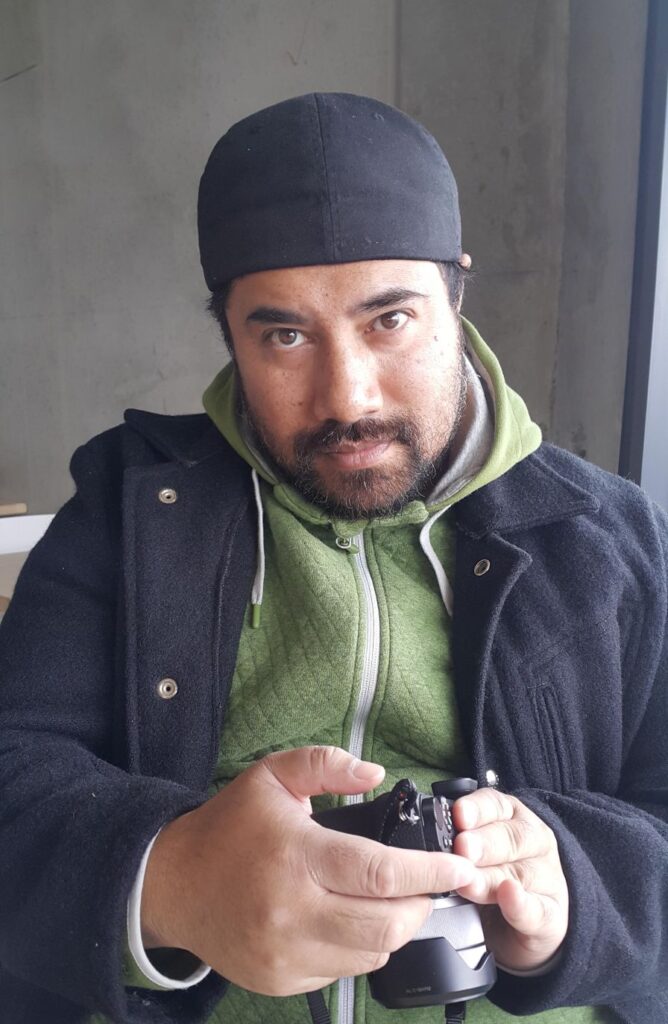
When I got into acting in the early 90s I learnt that the work is the work. That my job as an actor was to help show a mirror to the world that not only entertained but showed all of its uncomfortable truths as well. I held that. Believed it as some purposeful calling to the craft, and to the storytelling itself. The act of telling a story.
Whatever problems, or issues, and repercussions of personal life, choices and actions over those same years were part of that as well. The work is the work and life is life, and if you can’t separate the two, then laters boh. You’re a liability to a production. The more professional you were able to be within the production, as in get your shit done, be on time, learn your lines, and kick ass with the work, then awesome.
It’s the in-between states. Acting can be a demanding profession. You audition. You wait. Nothing. You audition. You wait. Nothing. Over time this rejection builds character. Character, which one? The one you just auditioned for, or the character you work at to “connect” and “network”? Or is character in this instance you? It’s this constant switching within yourself that can confuse young actors, even ones straight from drama school.
As an actor, what are the techniques you use to derole. To switch between character and back again to yourself?
This is usually treated as something you learn through experience. An unteachable process within current acting methodology.
The tortured actor is one of the most romanticised figures in Western creative culture. Brando disappearing into roles so completely that the line between actor and character became the story. Dustin Hoffman staying awake for days during Marathon Man so he would look exhausted for a scene, prompting Laurence Olivier to say, “My dear boy, why don’t you just try acting?” Heath Ledger locking himself in a hotel room for weeks to find the Joker.
Man, his Joker was extraordinary. He is sorely missed.
These stories are told as proof of commitment. As evidence of depth. The industry loves this narrative because it turns suffering into content. The actor’s difficulty becomes part of the marketing. The cost to the person inside the performance disappears behind the mythology of the work.
The physical commitment some actors undertake, the weight change, the body transformation, is one kind of dedication. The psychological territory is something else entirely. Living inside a character’s worldview until the boundary between self and role thins. Mining personal trauma for emotional truth. Staying in character between takes, between scenes, between days. That is where the real cost sits.
People have been writing about this for years. The conversation exists. The awareness exists. What the awareness has produced is concern. What it has rarely produced is a clearly articulated technique of return.
Life is complicated enough to figure out on its own. Everyone carries unresolved…what would be the term? Issues, baggage, monkey on the back. Grief you haven’t fully processed. Relationships that still sit heavy. Questions about yourself you haven’t answered yet. That is what you walk into the rehearsal room carrying before you even open the script. Unresolved material.
That you, as an actor, then use as material.
Acting asks you to open that material up. To access past experiences, often unresolved ones, and use them as fuel for the character’s emotional truth. The training teaches you how to get in. How to reach genuine feeling, how to let the audience see it, how to become transparent so the story lives through you. That space between performer and audience becomes a portal. The audience feeling with the character you have built.
The story is told. The audience heads home, their world enriched or not.
The actor remains.
Some can switch back to themselves easily. Others need time. The training rarely teaches you how to return, back to yourself without the character’s baggage.
International research points to the scale of the issue. In Australia, studies of actors and entertainment workers have found significantly elevated rates of depression, anxiety, suicidal ideation, and suicide attempts compared with the general population. In the UK, the 2024 Looking Glass survey of more than 4,300 film, TV, and cinema workers found 35% rated their mental health as poor or very poor, and 30% reported suicidal thoughts in the previous year.
Here in Aotearoa, equivalent actor-specific data is still limited. ScreenSafe’s 2025 mental health survey for New Zealand screen workers shows the sector itself recognises the need to measure what people are carrying. The question is what we do with what we find.
The training teaches you how to get in. Almost nothing teaches you how to get out.
Across the field, one of the clearest techniques explicitly designed to help actors transition out of role came from outside acting training. It came from neuroscience. Alba Emoting, developed by neuroscientist Susana Bloch in Chile in the 1970s, is a scientific method for triggering and regulating emotions through the body. It uses specific breathing patterns, posture, and facial movements to induce and control six basic emotions, alongside a Step-Out that returns the person to emotional calm. Actors and acting teachers were among its original training communities, but the technique was designed as an emotion regulation system.
A neuroscientist solved an adjacent problem, and actors borrowed the tool to help them derole.
Old heads will be thinking, “Eh, wtf you talking about? You finish the night’s performance, or when you hear cut and you’re you. No mystical or spiritual thing happening you just do it. Keep it simple stupid.” And that wisdom, is that, a wisdom learnt over years of work.
But what about the ones who can’t just do it. What about the ones we lost. And the ones that cope by telling their stories of survival to help others like themselves in a play, a tv series, a movie, a doco.
How to get out. That sentence has way more weight than it should have.
Unfortunately, here in Aotearoa, we know this. We have lost actors in our own community to suicide. People we worked alongside, people we loved, people whose presence lit up our stages and our screens. After those losses, performers came together to build support for each other. That it had to be built at all tells you what the industry was missing.
For me, it meant to tell others that I love them. For Pasifika men it was as simple as “alofa aku uso”, which then in my circle of friends became, “Love you fullas”.
Hold that alofa.
What happens when an indigenous actor is asked to access personal, cultural trauma to tell a story of colonisation? Of oppression? The material they are mining is not just personal memory. It is intergenerational. It is the weight of cultural grief, land loss, language loss, and the ongoing reality of communities still navigating those consequences every day.
How do they come back to themselves after accessing grief that belongs to their people, their family, their own body? From a character representing the echoes of those deep scars.
How do they derole from that?
Those losses in our community, and that question, were driving forces for me to figure out how and what worked and why. I myself went through depression and suicidal ideation. Looking back I don’t even recognise that fractured, damaged self.
It took time. It took thirty years of performance practice before the language arrived.
In researching for this article, I came across Alba Emoting for the first time. In Spanish, alba means dawn. My method’s return protocol is called the Dawn Protocol. Two practitioners, working from completely different knowledge systems, arrived at the same threshold and named it the same thing.
The difference is structural. The Step-Out is a technique applied at the end of the process, a physical reset to neutral. The Dawn Protocol sits inside a full architecture where the actor builds the container before the character ever enters it, crosses into the role consciously, composes inside a structure that holds both depth and boundary, and returns through the dawn with the cycle complete. The architecture holds the actor from the beginning. The dawn completes the cycle.
The Kinetic Wayfinding Actors Method offers a Pasifika technique where depth and containment are built into one architecture. The training teaches you how to get in. The method teaches you how to return.
The book is free. It is a mea alofa.
Book available here: ko-fi.com/s/f518259a4f
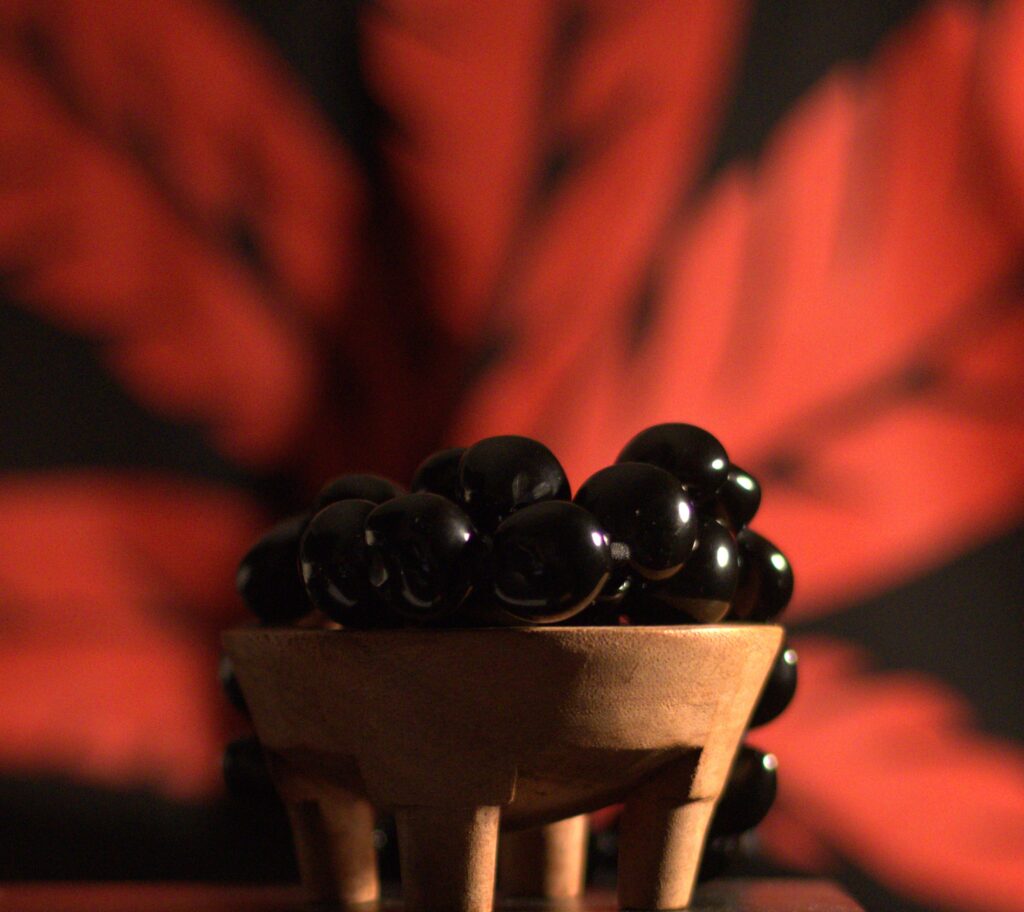
Fatu Coherence: My Mother’s Teaching
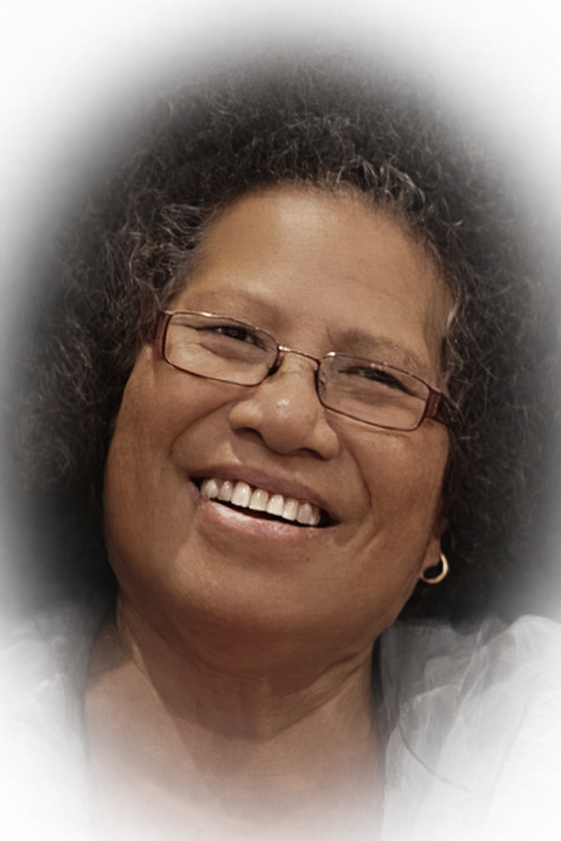
My Tokelauan mother, Ioana, now passed, shaped how I see and move through the world. She taught through stories, humour, and reinforcement of ideals: have a clean heart, the most important thing in life is alofa. Her strongest teaching was how she lived, how she was with people, how she held a room. This is a quality I have observed in Tokelauan women steeped in the cultural strength and identity of Fatupaepae, the collective body of Tokelauan women who serve as the living foundation of the kāiga and village, holding cultural continuity, relational harmony, and communal wellbeing.
At the heart of Ioana’s wisdom was a teaching calling for a higher purpose, one that she lived and embodied. I felt this as a deep inner fire and intense intelligence, an empathy I’ve rarely encountered. Only later would I find the words for it: Ioana’s Fatu Coherence. In Tokelauan, the phrase “O Mata!” is an elder’s exclamation when witnessing the awakened presence of someone during a fatele, serving as both recognition and invitation, reminding performers “your eyes” or “eyes alive,” calling them into that state of full presence and aliveness.
My mother demonstrated relational intelligence capable of sensing when a situation was whole or fragmenting. Her empathy was an entire way of knowing. She understood reality through relationship. She could feel into the meaning of a situation and sense whether it was whole or coming apart.
Ioana transmitted this way of knowing through rhythm, presence, and nonverbal relational attunement. She taught me to feel into the wholeness of situations, to sense the good within complexity, to create relational space where authentic emergence could unfold naturally. This was intelligence applied to the relational field.
Fatupaepae: The Relational Foundation
Fatupaepae is the relational foundation that enables the Tautai to move. When the question arose whether the Tautai, as a predominantly masculine term, required opening to include women, the answer was already in the structure: Fatupaepae is the relational foundation that enables the Tautai to navigate.
In ensemble work, this reframes the relationship between individual performance and collective holding. The actor as Kinetic Wayfinder navigates because the ensemble, the company, the community of practice holds the ground the navigation departs from. The Star House the actor builds for character work is enabled by the relational foundation of the ensemble.
Kinetic Wayfinder
Who else has grown up with multiple names?
Kinetic Wayfinder.
I became verified on LinkedIn, the process of which needed my passport, hence my name being spelt Iaseto as that’s my legal name. Iaheto and Heto with the “t” spelling is so that my name is pronounced how I grew up hearing it amongst my Tokelauan family and community.
Actually growing up I thought my Samoan name Jeffie (and as a good friend once pointed out dryly it sure sounded like a Samoan name. I didn’t catch the sarcasm being too proud in my Samoan name. Oh naive manchild) was my middle name.
It turned out it wasn’t even on my Samoan birth certificate. How do I share this without putting a bad light on my dear dad…on the day of my baptism, so the story goes, a certain somebody didn’t make it because of, I’m assuming here, celebrations of my upcoming baptism meant the night before carried on and recovery time was not ideal. Overlapping schedules of recovery and said baptism meant…no Jeffie in my Samoan birth certificate. BUT, it didn’t stop Dad from telling all of my Samoan family that my name was Jeffie hahaha.
I grew up with my Tokelauan side calling me Heto, and my Samoan side calling me Jeffie.
Add to that my very cool Uncle Joe first named me Sedo in the 70s. A name that stuck and all my cousins on both sides in NZ, and friends called me Sedo. And then Kirk Torrance started calling me Hetsyah, and Hets became my new nickname.
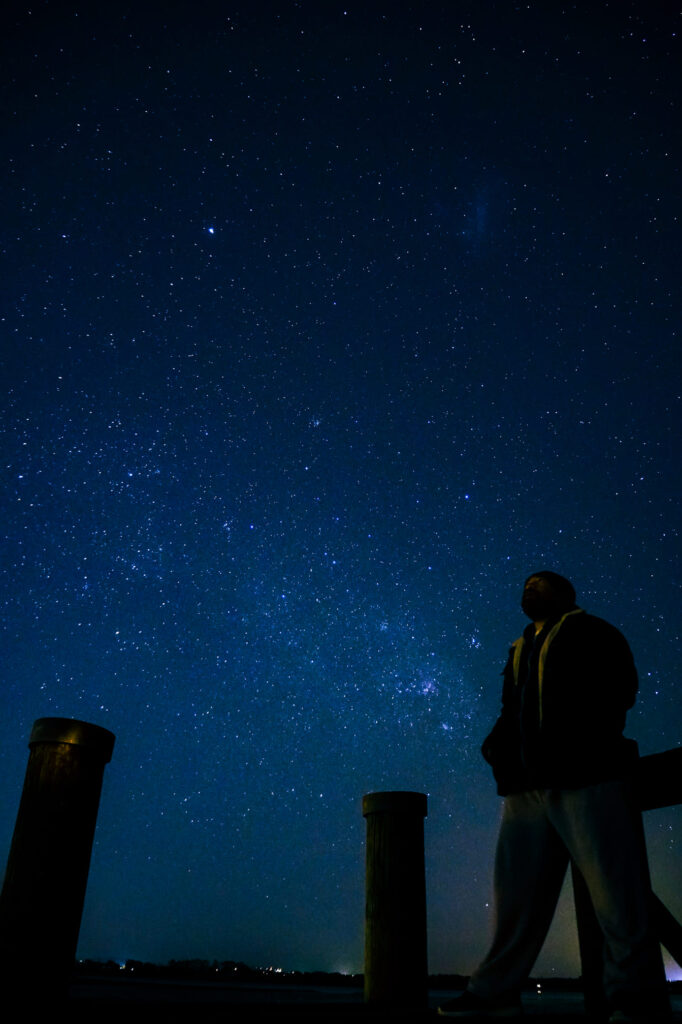
No wonder in the photo I’m staring at the stars. I’m looking for who the heck I am, and now I’m calling my digital self Kinetic Wayfinder. Oh my stars the irony.
Here are my socials in different names to keep the spirit of confusion.
Heto x
Coherence before code. Relationship before output. Presence before product.
Digital Land
Originally posted on my Facebook page. February 6
Happy Waitangi Day.
Today I want to acknowledge some incredible Māori leaders who are doing pioneering work in digital sovereignty and AI.
Professor Tahu Kukutai at the University of Waikato, a founding member of Te Mana Raraunga, the Māori Data Sovereignty Network. Peter-Lucas Jones and Keoni Mahelona at Te Hiku Media in Kaitaia, who built the first te reo Māori speech recognition model and created the Kaitiakitanga License to protect Māori data. Dr Karaitiana Taiuru, a Māori technology ethicist who has been leading the conversation on AI bias and Te Tiriti-based principles for artificial intelligence.
So when I came across Peter-Lucas Jones’s phrase, “Data is the new land,” it confirmed something I had been circling through my own work.
I’ve been documenting these patterns and others as part of a framework I’ve been developing called Kinetic AI Wayfinding, which I’ll share more about soon.
I started working with AI systems in February last year. OpenAI’s ChatGPT would default to Māori greetings and concepts. Google’s Gemini did the same. Later in the year, Anthropic’s Claude followed the pattern. My preferences were set. My identity was clear. It didn’t matter. The default did its thing anyway.
This is because Māori have done the work. Te reo Māori has visibility in education, media, government, and now in training data. That visibility is hard won and deserves celebration. What Māori are building in the digital sovereignty space is forward thinking and essential. There are growing Pacific conversations and networks about Pacific data sovereignty, including networks by and for Pacific peoples, but these aren’t yet as mature or visible as the Māori initiatives.
When AI systems treat all Pacific peoples in Aotearoa as Māori by default, something happens to the rest of us. Tokelauans, Samoans, Tongans, Niueans, Cook Islanders. Our languages, our concepts, our ways of thinking get folded into a framework that is related to ours but is not ours. Think of it like an extended family. We are related, yes. Moana peoples share deep connections. But each family has its own dynamics, its own ways of being, its own inner jokes, and words for similar things that may have a different feel.
A Tokelauan pou and a Māori pou share the same word, but are conceptually different in their meaning, based on place and time. Tokelau is an atoll with different pressures that shaped their idea of pou, and Māori again because of place and time have a strong spiritual connection to the trees that were used for their pou. They even have a god named after the forest, Tāne Mahuta. One word, two different conceptual meanings specific to that culture.
If data is the new land, then what does Digital Land look like for Tokelauans? For Samoans? For all the Pacific peoples who call Aotearoa home?
AI systems right now don’t know the difference. And most people engaging with AI as Tokelauans or Samoans may not even realise that when they’re greeted in te reo Māori, or when Māori concepts are used in response, the system is accessing specifically Māori ways of thinking and applying them as though they are universal to all Pacific peoples.
This is not a criticism. This is a call to think about what purposeful, forward-thinking digital presence looks like for each of our Pacific nations. And the irony is that this is an online ‘post’. A digital pou, placed here for us to think about our own digital sovereignty. The way Māori, the tangata whenua o Aotearoa, have built theirs.
Ia manuia te Aso o Waitangi.
Fakaaloalo lahi atu, Heto x
Content
Originally posted on my Facebook page 1 February 2026
I was trying to think of ‘content’ to help ‘grow’ the ebook link ‘organically’ and all that ‘how to reach your audience’ stuff. Not only does it makes my eye twitch, it also makes me want to leave Facebook again. And it’s that selling mentality that feels weird for a social media. Social media. Social. Media. A curated me, for you, and a curated you for us.
But since being back this time, instead of being annoyed at all the people and organisations trying to use the platform to reach someone, anyone (ironic I know), I’ve become a lot more open. Receptive to how difficult it actually is to be out there sharing yourself, your org, your product.
This ebook and the trilogy is a passion project that has seen me pour 30+ years of embodied experience, an inner world finally being shared, and stories that I wrote for Pasifika YA readers.
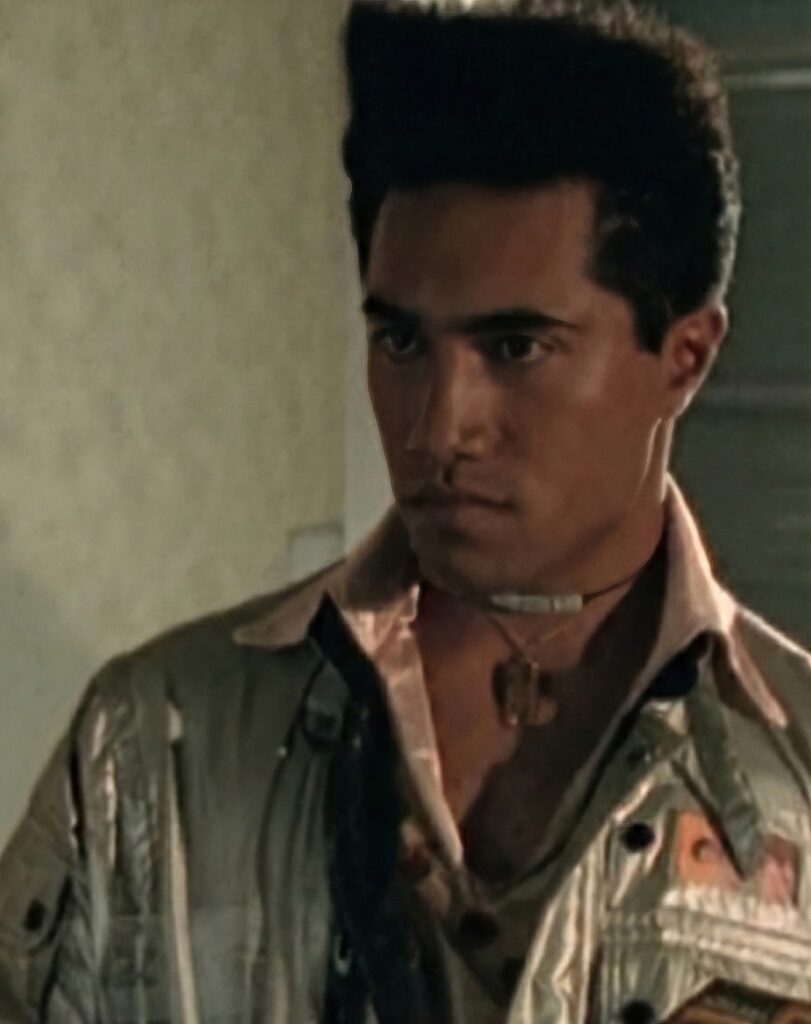
Which brings me to 1995, and these screenshots of me as Pepsi from Plain Taste.
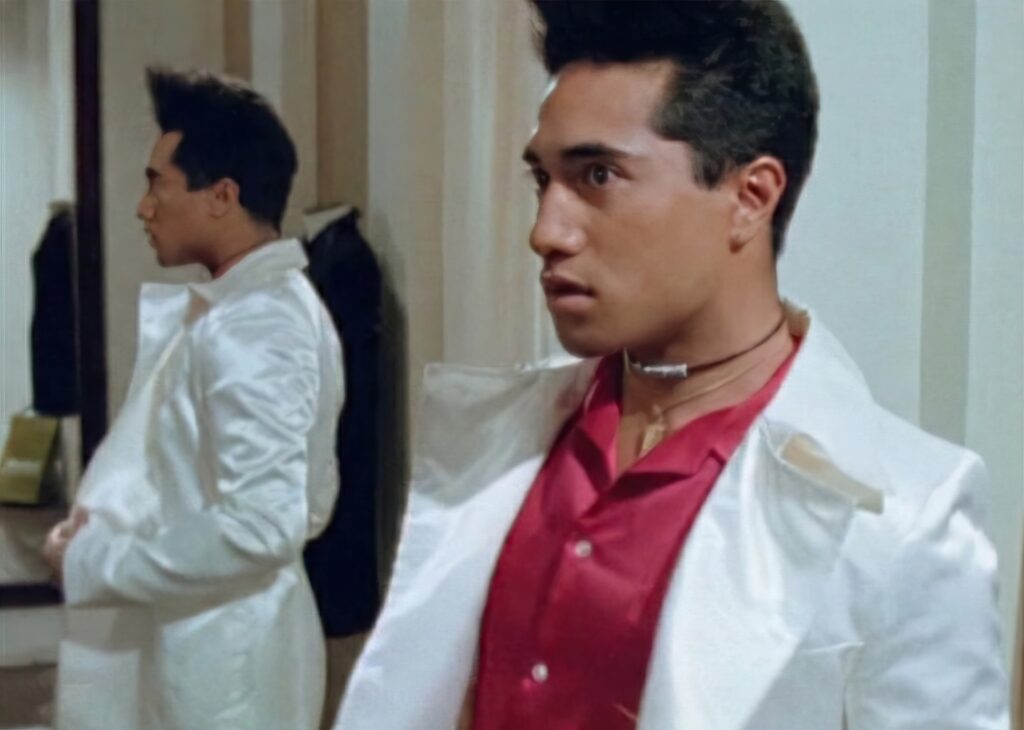
I was cast playing a young gay Tokelauan from Tokoroa (that’s actually the character as pitched to me by the writer/director). And to jump back a bit even earlier to the beginning of my creative journey: I started ‘bopping’ in 1983, moved to Samoa 1984 and came back to NZ 1986 and just kept dancing. Discovered acting at the 1992 Porirua Easter Tournament when I was part of Tagi’s public perfomance of some excerpts from the launch of ‘Matagi Tokelau’. Got accepted to Toi Whakaari NZ Drama School 1993. And in 1994 I developed my monologue ‘Te Kave Tavale o te Tautai’ as part of my study requirements at drama school.
That question I asked myself before developing the monologue, “What if this lost kid stealing cars, but passionate about fishing was misplaced in time and space, and was a master fisherman in ancient Tokelau instead?” A Tautai. That idea has grown over 30 years to the book I’ve gifted to my Tokelau community. Kinetic Tautai.
So that image of me playing a young Tokelauan from Tokoroa was going to be some sort of content thing, but became a journey of recollection and recursive spiral sharing.
and here’s the link to my ebook lol: https://ko-fi.com/s/4ad2ce16c3
If you made it this far  thank you,
Heto xo